


Fireplaces And Stoves
FollowOverview
-
Founded Date December 14, 1965
-
Sectors Recruitment
-
Posted Jobs 0
-
Viewed 396
Company Description
The Most Underrated Companies To In The Wood Burner Fireplace Industry
How to Get the Most From a Wood Burner Fireplace
Contrary to traditional open fireplaces, wood stoves are engineered and designed to burn wood. This allows them to meet the stricter emission requirements.
Wood burning stoves offer warm, yellow flames that dance, crackling sounds, and that primordial sense of warmth. The smoke that is generated is contaminated by air pollutants such as formaldehyde, benzene, and polycyclic aromatic hydrocarbons.
Efficient
Fireplaces and stoves that burn wood provide a beautiful and natural heat to the home, they are also incredibly efficient. A good quality wood burner can achieve an Ecodesign rating of up to 77%. With the increasing cost of energy, it is important to make sure you get the most value from your log stove – the good news is that it’s much easier than ever before!
The moisture content of firewood is a key factor that determines how efficient a wood-burning stove is. We recommend using only seasoned wood that has been dried over a period of at least one year, and often two years. The drier the wood, the more efficiently it burns which results in less smoke and less harmful emissions.
A wood burning stove offers the advantage of being an environmentally friendly fuel source, which is good for the environment. Furthermore, by buying locally-sourced firewood, you’re helping to promote the active management of woodlands, which is a great aspect for wildlife.
In terms of maintenance involved, the sole requirement of a wood burner is to regularly remove and scoop up the ash. This can be a little bit of a nuisance, but is well worth it in order to ensure that you get the most heat from every log. If you allow the ashes 2-3 days to completely cool They can also be used as a non-toxic, eco-friendly melt of ice. They can be used to polish jewelry or absorb odors.
A fireplace made of wood is a timeless classic. Although they’re less well-known than gas fireplaces, the appeal and ambiance of a roaring fire cannot be disregarded. These fires are great to cuddle up with on cold nights, and they create a warm and welcoming area in your home. A high-quality wood burner will pay for itself for a long time. Contact us today to learn more about how our expert chimney sweeps can assist you in getting the most out of your stove.
Low Carbon
Wood burners that burn clean and efficiently are among the most efficient ways to save the cost of logs while keeping your home warm. Additionally, they can also assist in the local woodland management. It’s a fantastic way to support the wildlife in your local environment.
Wood-burning fireplaces and stoves create very little pollutant if they are maintained properly and used with dry, seasoned firewood. If they aren’t properly maintained or make use of wood that is not of high quality the smoke produced contains fine particles, also known as particulate pollutants, which can irritate lung organs and other body organs. It also contains carbon monoxide and toxic air pollutants like formaldehyde, benzene and polycyclic aromatic hydrocarbons. Inhaling air pollution can cause lung irritation and lead to asthma attacks wheezing, coughing, and lung irritation. It may also cause cancer, heart disease or premature death.
Many people are concerned that using a wood-burning stove could contribute to climate change, but this is not necessarily the case. Burning wood is a carbon neutral energy source. The tree absorbs carbon dioxide throughout its life. When burned carbon dioxide is released into the atmosphere.
Because the wood is harvested locally, this reduces the amount of pollution that is released in the process of transportation. It is essential to select hardwoods that are seasoned and of top quality. They will burn longer and more evenly than softwoods.
Modern wood stoves, like the ones manufactured by Charlton & Jenrick, emit much less pollution than older stoves. They have been tested and certified to meet the 2020 EPA standards, which are significantly more strict than previous emissions limits.
To prevent a build-up of exhaust within your home, all wood burning stoves must be vented completely to the outside. By keeping the flames in the vicinity of the logs and ensuring that you use dry, seasoned wood, all our current clean burn and DEFRA exempt stoves can produce very clear exhaust. They also have particulate levels that are 60 percent or less below the DEFRA limit.
A wood-burning stove that has a catalytic converter or hybrid unit could provide the most efficient low-carbon solution for heating. These units ignite the gases and particulates that were ignited during the initial combustion in a second stage by mixing them with superheated air. They then funnel the remaining gasses and particulates through a catalytic combustion combustor for an additional and final combustion, decreasing emissions to levels much lower than the standards set by the government.
Clean Burn
Cleanburn wood stoves are engineered to burn fuel with the best efficiency that is achievable. This means that there are fewer dust emissions into the atmosphere when burning wood. The air management system of the stove controls the intake and ventilation of gases to ensure the combustion process is conducted in a controlled and sealed environment. It also regulates the height of the flame to minimise emissions and maximise heat output.
This means that your chimney and the surrounding area will be much cleaner than older stoves. Particulate matter (also called particle pollution) from incompletely combusted wood can cause respiratory problems like coughing and wheezing in people and contributes to the development of heart diseases, stroke, diabetes and other serious health problems. Air pollution from wood burning is also a contributory factor in poor urban air quality.
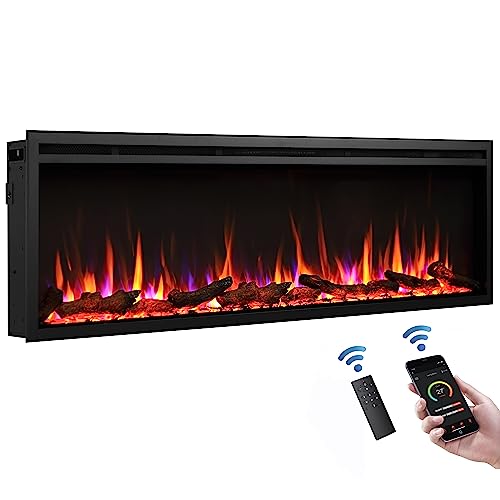 The smoke from poorly combusted wood is a mixture of fine particulate pollution as well as hazardous air pollutants, including carbon monoxide, volatile organic compounds, nitrogen oxides, benzene formaldehyde and polycyclic aromatic hydrocarbons. These particles can be absorbed into the lungs, as well as other organs, causing discomfort and damage and even death. Dust particles from the air can also cause a hazard to surfaces in your home and give them a rough feel.
If you’re using a fireplace with wood burning it is important to use firewood of the highest quality that has been dried and seasoned. dried. Hardwoods like oak beech, ash and are the most efficient for heating. Hardwoods have a higher density and BTU content, and they offer more heat than softwoods.
You should also determine if your local authority has any rules regarding wood burning. These may include nuisance/odor rules and visible emissions or opacity limits for smoke.
If you have a wood stove with a glass door it is important to keep the glass clear of deposits and grime. This can be done with dry cloths or oven cleaner spray. Alternately, you can add bicarbonate of soda mixed with a small amount of water to the glass.
Regular maintenance is crucial for your chimney and stove. This includes regular chimney cleanings to eliminate creosote and ensure the proper operation of the flue. It is also important to mark the dates for periodic inspections on your calendar. This will help you prevent costly repairs and extend the life of your wood stove.
Low Maintenance
Many people prefer installing wood-burning fireplaces due to the natural warmth they create. This type of fireplace requires some maintenance and upkeep. The chimney, flue, and stove are all potential sources of house fires if not maintained and cleaned regularly. These fireplaces also provide heat in the event of a power outage, especially during winter storms when branches of trees can fall and power lines can be damaged.
Using a wood burner for heating will reduce your carbon footprint substantially in comparison to other fossil fuel sources like gas. Modern wood stoves and inserts have been designed to conform to EPA (Environmental Protection Agency) standards which mean they emit very little carbon dioxide. The more well-seasoned wood you use the more efficient your stove will be. You’ll require less wood to achieve the same heat.
Fireplaces require some maintenance and care. They should be kept away from combustible material and have a screen installed. Air flow will be improved by keeping the grate clear of ash and debris. This will keep the fire burning longer and your home clean. It is recommended that your stove and chimney swept at least two times per year to prevent the accumulation of creosote which could cause an fire hazard or blockage and restrict the airflow.
A wood-burning stove will need to be tended constantly and it could take some time for a novice homeowner to master the art of how to light, ignite, and maintain a steady fire in the fireplace. However, once you have learned the art of creating and maintaining an open flame in your wood burner, it will be a source of lasting pleasure that can provide warmth and warmth to your home every year.
Fireplaces that burn wood have been in use in one form or another for more than 500 years and they’ve gained a new following due to their energy efficiency and sustainability, as well as the natural warmth and scent of real wood. If you’re thinking of buying the purchase of a new heater, consult with your local certified Regency dealer to find out more about the benefits of a wood stove or insert for your home.