Ovens And Hobs
FollowOverview
-
Founded Date July 5, 1903
-
Sectors Deepwater
-
Posted Jobs 0
-
Viewed 287
Company Description
How Do You Know If You’re Ready For Oven And Hob
How to Choose the Right Oven and Hob for Your Kitchen
If you’re looking for a new oven or hob we’ve got the dimensions, features and styles to fit your kitchen.
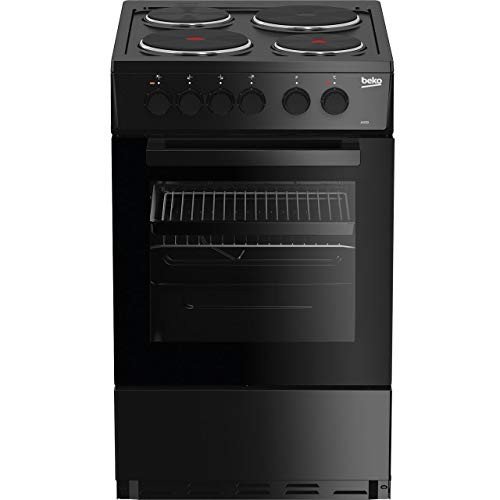
Solid plate hobs are easy to use and durable. They have metal plates with a sealed surface that heats your cookware. These are good for flat-based products and may be economical to run.
Origins
Ovens are kitchen appliances that are used to roast and bake food in households around the world. Generally they are fueled by electricity or gas with bottle gas models that are available in certain markets but ovens can also make use of other fuels, such as wood or charcoal. In many homes the oven is enclosed by a hob where food can be cooked. The distinction between a hob and an oven is that a hob has burners that can be switched off and on, whereas an oven has an enclosure where food is heated in the centre.
The first ovens were massive brick and mud structures that contained the ability to burn in order to cook food. These ovens were used for baking bread, cooking meat, and cooking other meals since they were able to hold heat and maintained a constant temperature. They were also able to be shared among family members. The open pits and ovens had three major flaws they were risky due to the smoke and flames that could be seen from them and they required a lot of fuel (wood), they were difficult to control the heat and the cooking process.
The solution was to use ovens that looked like fireplaces. They had a chimney that blocked off the fire, reducing the intensity and amount of smoke. This made it easier to manage. They were very popular during the 16th and 17th centuries, and were commonly found in households that were wealthy enough to have a separate kitchen with a chimney, and having more than one oven and fireplace.
By the mid-19th Century, European ovens were a common fixture in kitchens. It was partly due the fact that the oven was an essential requirement. It was more secure and efficient to cook on an open flame or in the cauldron. However, it is also believed that the invention of the oven was correlated with the evolution of cooking techniques and recipes, which resulted in a greater emphasis on casseroles and meat.
In some recipes, such as those made by Nigella she may recommend placing a pan “on the hob”. However it could be confusing since a hob in British English is an oven. The North American equivalent is a range or cooktop, so it can be confusing if you are not familiar with the British terminology.
Functions
The oven functions, also known as cooking modes, are preprogrammed options which control the oven’s heating element and fan depending on your recipe. They are designed to help you cook food more efficiently and effectively while preserving the taste and texture.
Most ovens come with a conventional mode that heats from the top and bottom to bake or roast food. There is also a fan-assisted option that makes use of an integrated fan to circulate the air around the oven, allowing a more even and quicker heating. There are many options available for oven and hob functions. It is important to understand the differences to determine which one is best for you.
The fan-assisted function of the oven is perfect to cook a variety of meals. It warms up the oven more evenly than standard ovens, and is perfect for grilling, baking and roasting. It’s particularly useful for dishes that require a fast, crisp finish, such as pizza or pies. The Fan-Assisted setting has a zigzag on top and a line on the bottom. It can save up to 40% of cooking time.
Some ovens have a grilling function that combines the heat from the bottom of the oven with that from the top, giving your meals an amazing char. This is the perfect mode for kebabs of meat and vegetables and can be marked by straight lines or zigzag lines, similar to Fan-Assisted. This type of oven is typically placed on the lower shelf of the oven. Be sure to verify the temperature settings in your oven to prevent overcooking.
There are additional oven functions for proofing of pastry and bread slow cooking, baking and much more. These ovens are usually programmed to create a warm and controlled environment that will facilitate the rise of dough and help your food develop amazing flavours.
There are ovens that come with a Steam function which is ideal for making healthy, nutritious foods. It adds a delicate and rich flavour to baked products including poultry, vegetables, and custards. This function can be activated by simply pouring water in the oven’s reservoir, and turning it on. Certain models can alter the amount of steam automatically depending on the temperature selected.
Types
There are many types of ovens and hobs that are available that range from traditional gas to modern electric models. It is important to choose an oven and hob that suits your needs. Think about features like self-cleaning or smart capabilities.
Gas ovens are a popular choice and can be found in all kitchens. They are simple to use because they have rings on the burners and an grate on which pans rest that emits heat. Gas hobs can also be energy efficient and have precise temperature control, meaning they can reduce your energy bills. They can take longer to heat up than electric hobs and can be more difficult to clean up with the residue.
Electric hobs come in a range of designs including ceramic and induction. Induction hobs can be a little more expensive but they are energy efficient since the hob only is heated when you put the pot on it. They also remain cool to the point of contact, making them more child-safe, and are relatively fast to warm up. However, they may not always cook evenly and may take a while to cool down.
Plate hobs, which are an essential kitchen appliance, have an array of cooking zones that are all electric on flat surfaces. They sit on top of your kitchen cabinets. They have a sleek, modern design that is perfect for all kitchens. They can be difficult to keep clean as they contain multiple cooking zones, which can cause uneven heating and can leave burn marks on the surface if not properly cleaned.
The most common model is the built-in single oven. These can be installed either beneath a hob, or in a built-in cabinet. They are usually large enough to accommodate a large dinner and are available in a variety of sizes, so be sure to consider your family size when you choose an oven. You can also find them with extra features such as grill or steam features.
Installation
It might be worthwhile hiring an electrician to set up a new oven for you, or replace an old one. This will ensure that the electrical circuit is set up and your new cooker is safe for use. A qualified electrician can follow local regulations to make sure that your installation is in compliance with all safety codes.
You’ll need all the Culinary Tools and equipment you require prior to beginning the installation of your new electric oven and hob. Wire nuts, a screwdriver, and electrical tape are among the tools you’ll require. It’s also important to test the electrical supply in your home and ensure it is able to handle the load of a new electric oven and hob.
The first step in the process of installing a new cooktop and oven is to remove any old appliances. To accomplish this, locate the bolts or screws that hold the old appliance and then remove them carefully. After the appliance has been removed, the area in which the new one is installed should be free of obstructions. Next, a junction box must be mounted and connected to the electrical supply with conduit. This should be done in accordance with the instructions of the manufacturer and any applicable local regulations.
Once the electrical connections are made then the oven and the hob can be lifted into position. The fitter will then use the clips that came with the hob to secure it in place and make sure that it’s flush with the worktop. The fitter will then test the hob to confirm that it is working correctly.
It’s best to hire an expert to install a gas hob and oven. Gas installation isn’t as straightforward as plugging in an electric oven and requires the assistance of an CORGI registered engineer to connect the pipework. It’s also a good idea to get an oven hood fitted if you don’t already have one, as it will allow you to ventilate your kitchen and is required by Part F of the Building Regulations.